Introduction to Hualalai Volcano
Visiting the Big Island of Hawaii? Don’t miss out on one of its most impressive natural attractions – Hualalai Volcano! In this blog post, we’ll take a look at all the amazing things this volcano has to offer, from its geological features to its natural beauty. So grab your hiking shoes and let’s explore Hualalai Volcano!
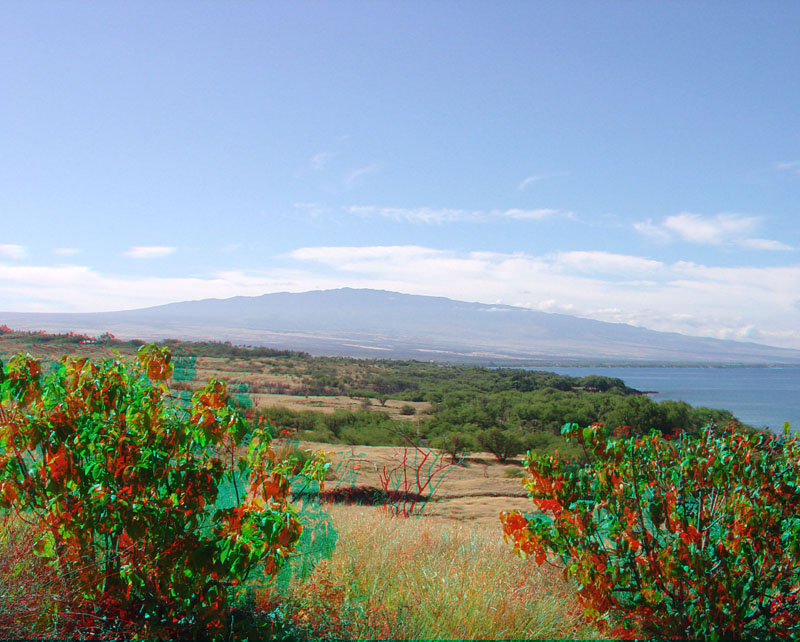
Hualalai is an active volcano located on the island of Hawaii in the Hawaiian Islands. It is the westernmost, third-youngest and the third-most active of the five volcanoes that form the Island of Hawaii. It is well known for being a great source for mantle xenoliths and for its Kaupulehu flow that dates back to 1800.
Although it has not erupted for a while, it is still considered an active volcano with the last damaging eruption occurring in 1801. Hualalai is one of the greatest mountain ranges on earth, rising an average of 4,572 meters (15,000 feet) above sea level and it can be seen from Kailua-Kona. Its observability provides detailed information on how volcanos work, as well as a unique memorial dedicated to Ellison Onizuka.
Location and Prominence of Hualalai
Hualalai is one of the five active shield volcanoes in the Hawaiian Islands that form the Big Island of Hawai’i. This large shield volcano is located in the southeast of the island and is currently active. He was long considered to be a satellite of volcano Mauna Loa.
Hualālai is the third youngest and third-most historically active volcano on the Island of Hawai’i. Located on the western end of the island, Hualalai is situated approximately 15km away from the town of Kailua-Kona and its summit stands at 8,271 feet (2,521 meters). It is also the westernmost and most recently active of the five volcanoes in Hawaii, having emerged from the ocean some 300,000 years ago. Due to its close proximity to Kailua-Kona, an eruption as voluminous as 1800 could cover that distance and cause significant damage to the surrounding area.
Geological History of Hualalai
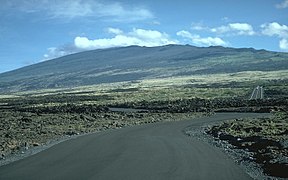
The geological history of Hualalai is as fascinating as it is long. It is one of the five volcanoes on the Island of Hawaii that built the island, with its most recent eruption occurring in 1800-1801. Its lava flows from this period are found near Ellison Onizuka Memorial and have been analyzed for their prehistoric flows.
Hualalai stands at 8,271 ft (2,521 m) with a prominence of 3,071 ft (936 m). It is the westernmost of the five volcanoes and is known for its mantle xenoliths, which can be found in the A.D. 1800 Kaupulehu flow. This flow is dotted with cinder cones and spatter.
Mantle Xenoliths of Hualalai
Hualalai Volcano is not only renowned for its beautiful scenery, but also for its abundant mantle xenoliths. Mantle xenoliths are pieces of mantle rock that have been carried up to the surface by volcanic eruptions. The 1800-1801 alkalic lava flows from Hualalai contain some of the most abundant mantle xenoliths on Earth, including peridotite, pyroxenite, and gabbro. These xenoliths are believed to provide valuable insights into the interior structure of the Earth. Additionally, rare dunite and 2-pyroxene gabbro xenoliths have been found in banded trachyte at Puu Waawaa on Hualalai Volcano. These xenoliths can tell us a lot about how the volcano formed and evolved over time.
Kaupulehu Flow of Hualalai
The Kaupulehu flow is a special feature of Hualalai, located between Kona Village Resort and Kiholo Bay. This 1800 A.D. flow is remarkable for its large concentrations of lava-encrusted mafic and ultramafic nodular xenoliths. Scientists believe that the eruption occurred from two fissure vents, which fed two large lava flows to the west and northwest. The Kaupulehu lava flow started high on the volcano at an altitude of 1650-1800 meters, reaching down to the sea level. It is composed of alkalic basalt, with some hawaiite and trachyte present as well. This flow is also notable for its abundance of ultra-mafic xenoliths, which can be found as nodules in the lava.
Recent Eruptions of Hualalai
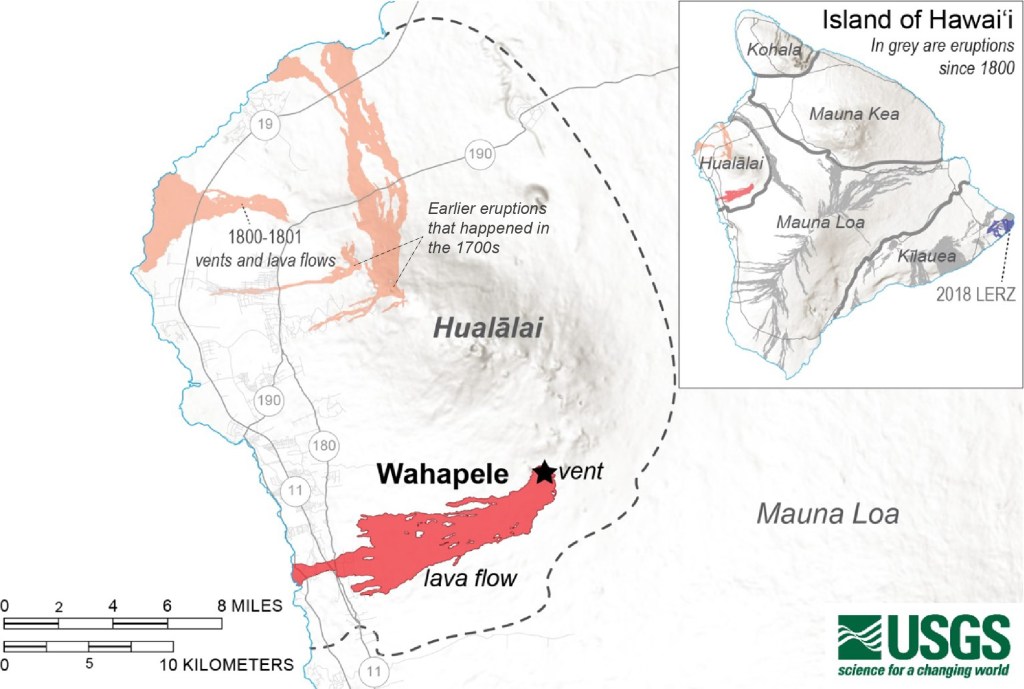
Hualalai is the third-youngest and third-most historically active volcano on the Island of Hawai’i. The only historical eruptions took place during the end of the 18th century and in 1801, when lava flows from vents on the NW rift zone reached the sea and buried Hawaiian villages.
The most recent eruption was in 1801. During this eruption, a very fluid alkalic basalt lava flow entered the ocean off the western tip of Hawaiʻi island. This event created the Kaupulehu flow, which is still visible today. Hualalai is also noted for containing many mantle xenoliths in its lavas, which are volcanic rocks from deep within the Earth’s mantle.
Rift Zones of Hualalai
Located on the island of Hawaii in the Hawaiian Islands, Hualalai is an active volcano with three rift zones that radiate away from the summit. These rift zones trend north, northwest, and southeast and converge near the summit of the volcano. These rift zones are characterized by cinder cones and spatter cones, and they often do not point towards other adjacent volcanoes.
Through its complex geological history, Hualalai has become a unique and fascinating volcano that provides insight into the formation of Hawaiian volcanoes. Let’s take a closer look at these rift zones and what they can tell us about Hualalai.
Cinder Cones and Spatter of Hualalai
Hualalai volcano is dotted with cinder and spatter cones that flank its three rift zones. These cones are formed when lava fountains erupt and spew out hot lava that solidifies upon hitting the air. Cinder cones are made up of loose cinders, while spatter cones are composed of sticky chunks of basaltic lava that build up a very steep cone.
While cinder cones are usually less steep than spatter cones, there are gradations between the two extremes. For example, some pyroclastic constructs consist of alternating layers of agglutinate and spatter. The Kaupulehu Flow of Hualalai is a prime example of a spatter rampart, which is a kind of spatter cone.
Comparison to Other Hawaiian Volcanoes
Hualalai, located on the big island of Hawaii, is one of seven active volcanoes in Hawaii. It is the westernmost and third-youngest of the four active volcanoes on the island. Compared to the neighboring Kohala and Mauna Kea volcanoes, Hualalai’s alkalic eruptions have been generally much less explosive, due to the greater fluidity of Hawaiian lavas. The other active volcano in Hawaii is Mount Haleakala, located on the island of Maui. Kilauea is the only volcano in the world that erupts from two different locations – its summit crater and the Pu’u O’o vent in the eastern rift zone. All these volcanoes, including Hualalai, are part of what shapes the Big Island.
Ellison Onizuka Memorial on Hualalai
The National Memorial Cemetery of the Pacific is a place you might consider spending some time if you want to honor the memory of Ellison Onizuka, the first astronaut from Hawaii who perished in the Challenger disaster. The Punchbowl crater located in Honolulu is the final resting place for Ellison Onizuka and many other notable Hawaiians.
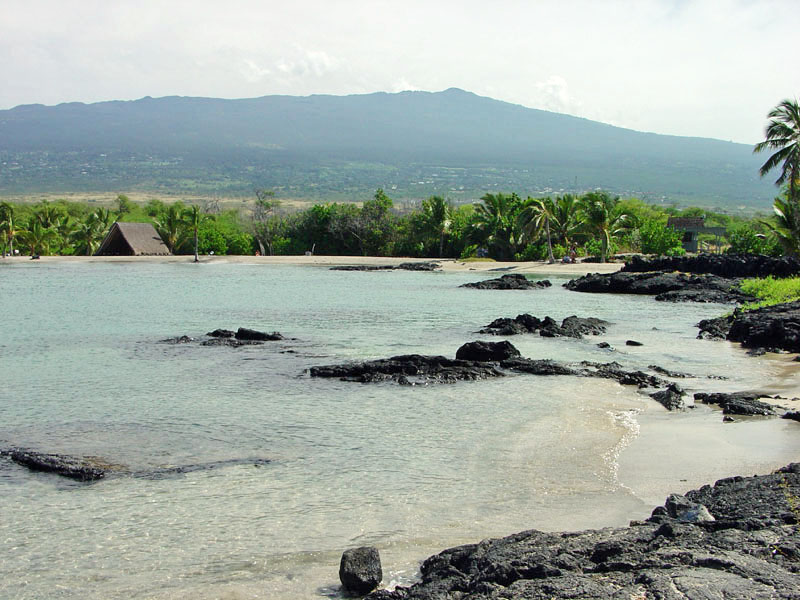
The Hualalai volcano on the Big Island of Hawaii is also home to a memorial dedicated to Ellison Onizuka, located near the summit of Hualalai. The site, which features a bronze statue of Onizuka, was dedicated in 1988 and serves as a reminder of his service and sacrifice. Hualalai is also home to many other notable features and sites, making it an ideal destination for anyone interested in volcanology and Hawaiian history alike.
 Big Island Blog