A Look at Kohala Volcano: The Oldest Volcano on the Big Island
Are you interested in learning more about the stunning Kohala Volcano? If so, you’ve come to the right place! In this blog post, we’ll explore all things related to Kohala Volcano – from its history and geography to its most popular attractions. So let’s get started!
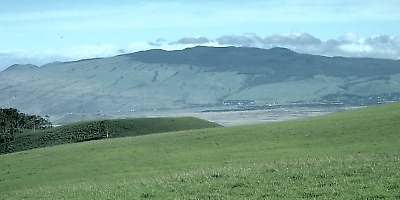
Kohala Volcano is the oldest volcano on the Big Island of Hawaii, with an estimated age of over one million years. Located at the northwestern tip of the island, it is part of a range of five shield volcanoes, each separated by rift zones. Its summit is broad and covered with trees and its lavas are the oldest on the island, dated at about 460,000 years old. It is an extinct volcano and has not erupted for over 120,000 years. However, visitors to the summit still get to experience its rugged beauty and explore its unique geology, history and culture.
Kohala’s Geology and Formation
Kohala Volcano is the oldest of the five volcanoes that make up the Island of Hawaiʻi. It has a northwest-southeast rift that is cut by multiple deep gorges, created by thousands of years of erosion. This rift is marked by alkalic lavas, which are very viscous, and form distinctive hills and pu’u. Kohala stands 20 miles into the Maui Channel, and its summit is broad, covered with trees. 300,000 years ago, there was a massive landslide that slowly decreased the eruptions. With all these features combined, it’s easy to see why Kohala Volcano is a popular destination for visitors to the Big Island.
Exploring the Rugged Beauty of Kohala Volcano
The rugged beauty of Kohala Volcano is breathtaking and a must-see for all those visiting the Big Island. This shield volcano is cut by multiple deep gorges and valleys, the result of thousands of years of erosion. During the day, visitors can explore the Kohala coast’s rugged beauty and its welcoming towns, dotted with inventive vegetarian cafes and top-notch burgers.
Nestled amongst the jet-black and rust-red lava rock fields, oases full of world-class beaches, resorts and golf courses can be found. For those who want to take in the views with a unique perspective, viewing the rugged Kohala Coast and experiencing the lush Kohala Valleys from the air can be a memorable experience. No matter how you explore it, a visit to Kohala Volcano will leave you in awe of its beauty and charm.
Kohala’s Last Eruption: When, Where, and How Long Ago?
Kohala Volcano is an ancient giant, having last erupted 120,000 years ago. That eruption occurred in an area known as Mokuaweoweo, the summit caldera of Mauna Loa. Mega-tsunamis were also created by the volcano, reaching a height of 61 meters due to the flank collapse of Mauna Loa about 110,000 years ago.
On the other hand, the more recent eruptions of other Big Island volcanoes such as Mauna Loa and Hualalai have been much more recent. In fact, Hualalai last erupted in 1800-1801 and Mauna Loa‘s most recent eruption was in November 2022.
While it may seem like Kohala is inactive compared to its more recently active neighbors, its rugged beauty is still worth exploring. In this section, we’ll take a closer look at Kohala’s last eruption and how it fits into the timeline of the other Big Island volcanoes.
Kohala Volcano’s Relationship to the Other Big Island Volcanoes
Kohala Volcano is the oldest of the volcanoes comprising the island of Hawaii. It is cut by multiple deep gorges, which are the product of thousands of years of erosion. While it may not be as massive as Hawai’i Island’s other volcanoes, it is still considered a shield volcano and has an impressive size. Its two rift zones extend 21 miles (34 km) from Waimea to Upolu Point, and its summit rises over 4,000 feet above sea level.
In addition to its impressive size, Kohala Volcano has a close relationship with the other Big Island volcanoes. It is part of the same volcanic system as Mauna Loa and Kilauea, two of the island’s six active volcanoes. In fact, Kilauea is the only volcano on earth erupting from two different locations—from the summit crater and the Pu’u O’o vent in the East Rift Zone. Also, Mauna Loa‘s land mass is almost equal to twice that of all the other Hawaiian islands combined. This is testament to the powerful forces at work within this unique volcanic system.
The Summit of Kohala: What You Can See and Do There
Kohala is an impressive sight from the air, and a helicopter tour is one of the best ways to take in its vastness. But there is also much to explore on the ground. From the summit of Kohala, visitors can experience the rugged beauty of this ancient volcano in all its glory. From here, you can see the valleys and sea cliffs that were carved out by thousands of years of erosion. You can also take in views of the other Big Island volcanoes, including Mauna Kea and Mauna Loa.
For those looking for an adventure, there are plenty of hiking trails that lead to waterfalls and lush jungles. Waipio Valley is one of the most beautiful spots on the island, and a great destination for waterfall trekking and jungle ziplining. Whatever your adventure preference, a visit to Kohala Volcano is sure to be a rewarding experience.

Discovering the History and Culture of Kohala Volcano
Kohala is not only known for its geology, but also for its rich history and culture. As the oldest volcano on Hawaii’s Big Island, Kohala has a long-standing connection to the Hawaiian culture and many historical sites are scattered throughout the region.
As you explore Kohala, you’ll find that many of the activities and attractions showcase the traditional Hawaiian lifestyle. From luau feasts to hula performances, you can get a glimpse of what life was like centuries ago. You’ll also find local art galleries and museums, offering an overview of Kohala’s unique history and culture.
Wildlife and Plants Living on Kohala Volcano
Kohala Volcano is a place of incredible beauty, and this is in part due to the wildlife and plants that make their home here. The wildlife includes mongooses, rats, frogs, toads, and deer, sheep, and goats in the more remote regions. The plant life on the mountain is equally diverse and includes a variety of tropical forest plants as well as flowers that are sacred to the Hawaiian Volcano Goddess Pele.
As one moves toward the summit, the vegetation becomes more sparse and less voluminous, with shrublands making up most of the ground between the tree line and the summit. Amongst the native vegetation on Kohala Volcano are endangered species such as the palila and Mauna Kea ‘elepaio. Exploring this mountain has the potential to be an unforgettable experience, as it provides an opportunity to discover a variety of wildlife and plants that are unique to Hawaii.
Tips for a Safe and Enjoyable Visit to Kohala Volcano
When visiting the Kohala Volcano, there are some important safety tips to keep in mind. Wear good, supportive, closed shoes for hiking and exploring the area. Stay on marked trails and overlooks, and avoid earth cracks and cliff edges. Do not enter closed areas. Hazardous volcanic gases are billowing from the crater, so it is best to stay far away. Be aware of your surroundings and be prepared for possible changes in the volcano’s activity.
It is also a good idea to double book an overnight stay in Volcano, otherwise you are in for a very long (12 hour) day and you’ll miss the after dark lava action, if any. With these safety tips in mind, visitors can enjoy the unique beauty and history of Kohala Volcano without worry.

Visiting Kohala Volcano: What To Expect When You Go
When you visit Kohala Volcano, you can expect to experience the beauty and wonder of one of the most ancient volcanoes in the world. The landscape is rugged and wild, with lush valleys and stunning coastlines. Hiking explorations will lead you to Waipi’o Valley and Pololū Valley, two of the most scenic corners of the island.
Helicopter tours provide a breathtaking view of the volcano from above, so you can take in all its glory. To get an up-close and personal view of Kilauea in action, stay overnight in Hilo or Volcano Village for a multi-day visit. Along the way, you can make stops to appreciate the great scenery along the coast. Be sure to take safety precautions to ensure a safe and enjoyable visit.
 Big Island Blog