The Origin of Mauna Kea
Mauna Kea is the highest mountain in Hawaii and one of the most beautiful sites in the world. From its breathtaking beaches to its lush rainforest, Mauna Kea has something for everyone. In this blog post, we’ll explore all there is to know about this amazing destination and why it should be on your travel bucket list.
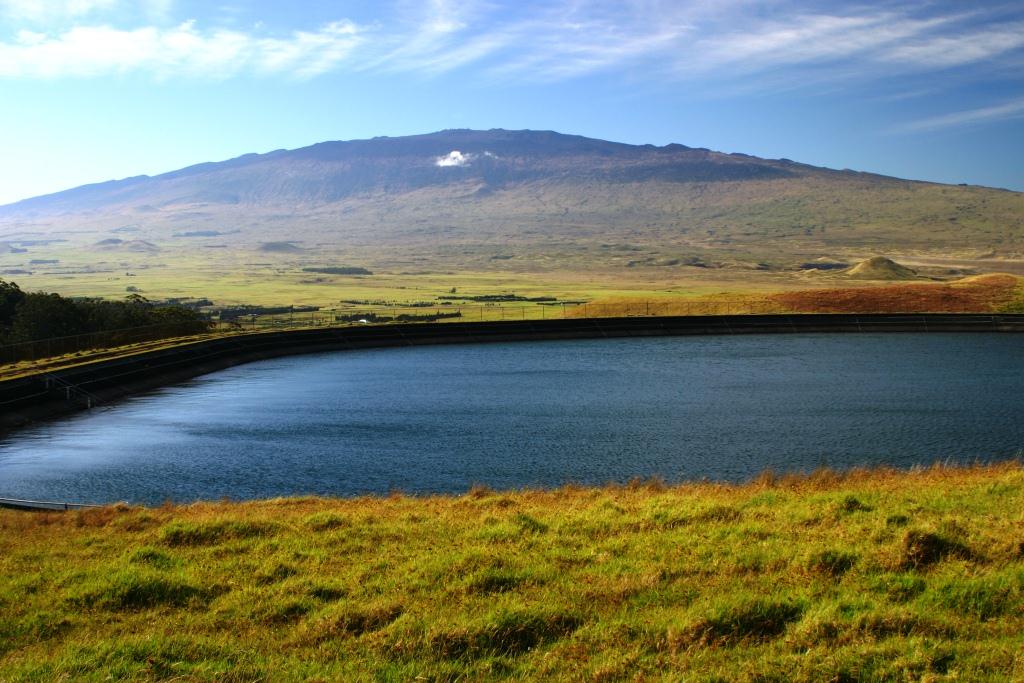
Mauna Kea is an ancient volcano that first appeared as a small steaming island. Over time, it slowly grew in height due to continuous lava eruptions until it became the highest mountain in the world, standing at over 4,000 meters. It is located on the Big Island of Hawaii and is a site of great spiritual importance to the Hawaiian people.
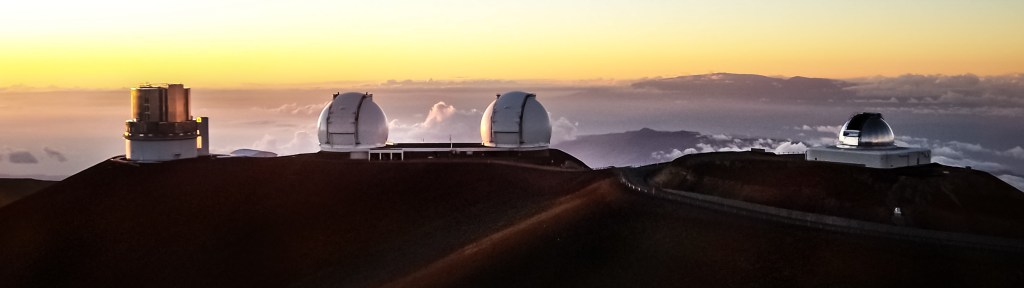
However, Mauna Kea’s story goes even deeper than its physical presence. Its origin dates back to ancient Polynesian mythology when the mountain was believed to be the meeting point between heaven and earth, forming an essential link to the gods. Since 1964, the summit has been home to 13 telescopes funded by 11 countries, and it serves as a major research center for astronomy.
The Elevation of Mauna Kea
Mauna Kea is a dormant volcano located on the Big Island of Hawaiʻi. It is the highest point in the state at an elevation of 13,803 feet (4,207 meters) above sea level. Rising thousands of feet above the island’s beaches and tropical climate, Mauna Kea is an impressive sight.
But the journey to the summit of Mauna Kea is not for the faint-hearted as it requires visitors to go up a road to reach 4,207 m (13,803 ft) above sea level. The snowcapped peaks of Mauna Kea are an impressive sight and reflect its long and varied history as a sacred mountain in Hawaiian culture.
The Hawaiian Name for Mauna Kea
The Hawaiian name for Mauna Kea is “Mauna Kea,” which translates to “white mountain.” This name is not only descriptive, but it has a deeper meaning in Hawaiian tradition. It is also known as “Mauna a Wakea,” or the mountain of the sky father. For many Hawaiians, this is a sacred place of worship and reverence, as it is home to the gods. It is also a state forest preserve and a beautiful reminder of the mountains 4,000 year history.
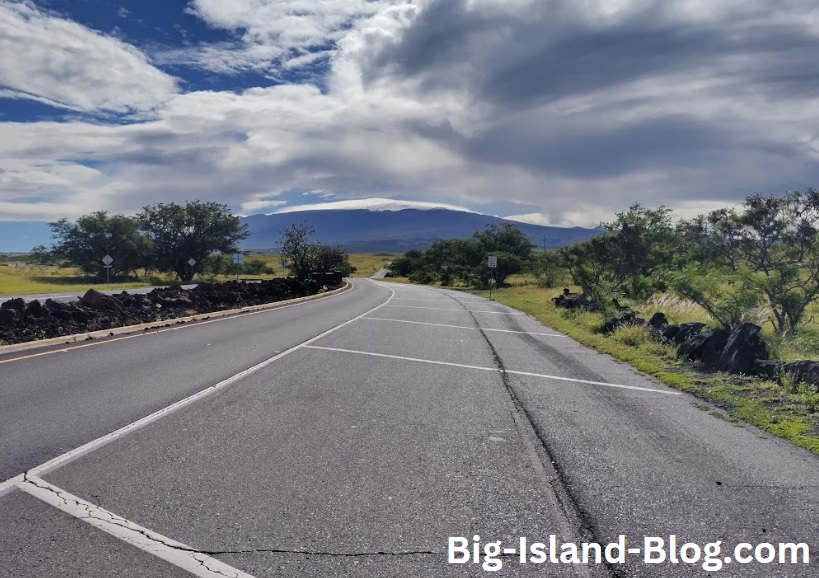
Mauna Kea as the Tallest Mountain in the World
Mauna Kea stands as the tallest mountain in the world when measured from base to summit. At over 33,000 feet, it towers above everything else on Earth. Although it stands at just 4,205 meters (13,796 feet) above sea level, this is only part of the story.
When measured from its base on the seafloor, Mauna Kea is an incredible 19,700 feet tall. This makes it truly a giant among mountains! Not only is it massive in size, but Mauna Kea is also steeped in history and tradition. Native Hawaiians consider it a sacred site and have prayed at its summit for over 4,000 years.
Mauna Kea’s 4,000 Year History
Mauna Kea is an incredible volcano located on the Big Island of Hawaii. It is the tallest mountain in the world, towering over 13,796 feet above sea level. For thousands of years, Mauna Kea has been revered by the native Hawaiians as a sacred place. The volcano’s last eruption took place around 4000 years ago and today it is a dormant volcano.
Although it is now dormant, it still holds a special place in Hawaiian culture and continues to be an important part of the islands history. In this blog post, we will discuss Mauna Kea’s 4,000 year history and how it has become so important to the native Hawaiians.
Mauna Kea as a State Forest Preserve
Mauna Kea Forest Reserve is an important cultural site and a state forest preserve. It was first designated in 1909 by Governor’s Proclamation, and currently consists of 72,491 acres, making it the largest forest reserve in Hawaii. The elevation of Mauna Kea is 6,500 feet, and the park offers cool temperatures compared to the rest of the island. The entire upper portion of the mountain is leased by the University of Hawaii.
Mauna Kea State Recreation Area is located at its base, and provides various recreational opportunities such as camping, picnicking, hiking and viewing scenery. Visitors should also note that native traditions and prayers for Mauna Kea are still practiced here, making it a unique and special experience.
The Meaning of Mauna Kea
Mauna Kea is deeply revered in Hawaiian culture, and its name is no exception. The name “Mauna Kea” is an abbreviation of “Mauna a Wākea,” which translates to “white mountain” in reference to its seasonally snow-capped peaks. It is also believed to be the origin place of the Hawaiian people and a bridge between heaven and earth.
In ancient times, it was a shrine for worship and a home to gods, with Poliʻahu, the deity of snow, residing within its slopes. Mauna Kea has been around for 4,000 years and stands at 13,796 feet as the highest volcano in Hawaii and the tallest mountain in the world when measured from the ocean floor. It has been designated as a state forest preserve, and its significance to the Hawaiian people is undeniable.
The Depths of the Pacific Ocean
Situated on the Island of Hawaiʻi, Mauna Kea is a dormant volcano with a peak of 4,207.3 m (13,803 ft). Due to its great depths of the Pacific Ocean, its base starts about 45 miles out from shore at a depth of some 18,900 feet, giving it a total rise of 32,696 feet. This makes it the tallest mountain in the world when measured from its base. To put it into perspective, its summit is just shy of 14,000 ft above sea level, the ocean around Mauna Kea is almost 20,000 ft deep and its top is higher than Mount Everest’s height.
In fact, the first full ascent of Mauna Kea started 6km below the surface of the Pacific Ocean in a submarine and included paddling and diving. James Cameron has even made numerous extreme dives to the deepest point–the almost 11-km (6.7-mi) deep Challenger Deep in the Mariana Trench. These depths are truly remarkable and add to the mystique of Mauna Kea and its great history.
Interesting Facts About Mauna Kea
Mauna Kea is a fascinating and mysterious place, full of interesting facts. Did you know that Mauna Kea is the tallest mountain in the world, from the base to its peak? That’s because its base is located on the floor of the Pacific Ocean, making it taller than Mount Everest. It’s also one of the oldest mountains in the world, estimated to be about 4,000 years old.
Mauna Kea is a deeply sacred place for native Hawaiians, who have long revered it for its spiritual significance and connection to their ancestral gods. These days, it’s also home to a number of astronomical observatories, making it an important hub for scientific research. All in all, Mauna Kea is an incredible place with a long and fascinating history, and an important part of Hawaiian culture.
Native Traditions and Prayers for Mauna Kea
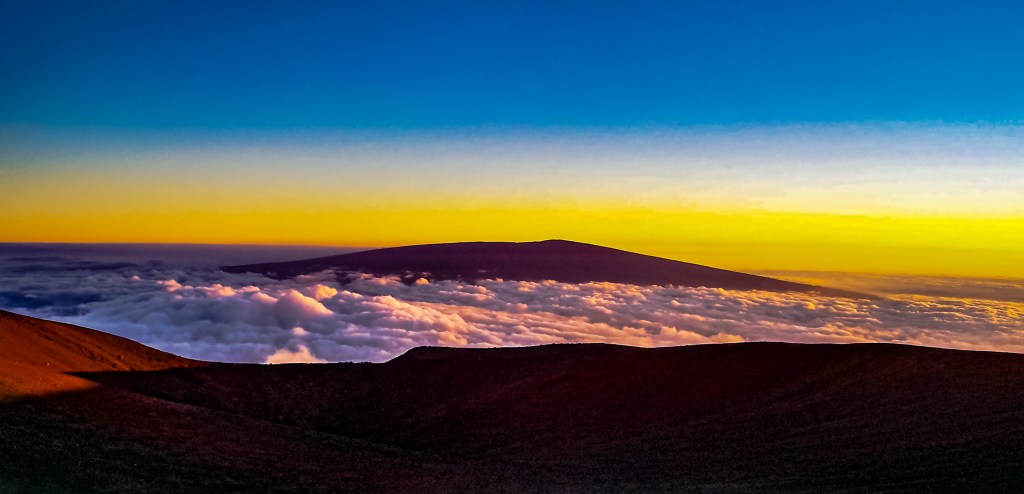
Native Hawaiians have a deep spiritual connection to Mauna Kea. For centuries, they have regarded the mountain as a sacred shrine and a place of worship. It is the piko (umbilical cord) of Native Hawaiian existence, connecting them to their ancestors and to the gods. It is also the site of many ancient burial sites, sacred temples and other cultural artifacts. Every morning begins with prayer, oli (chanting), mo`olelo (story) and cultural activities including hula; kupuna set the tone for the day with reverence.
Out of the ongoing struggle led by Native Hawaiian people to protect Mauna a Wākea (Maunakea), a movement was born and cultivated by families and cultural practitioners to ensure that sacred protocols are honored and that their cultural practices remain intact. It is one of the most sacred places in the world for Native Hawaiians, and they continue to fight for its protection.
 Big Island Blog