If you’re looking to get away from all the hustle and bustle and learn something about Hawaii’s culture, Lapakahi State Historical Park is a great stop to take in some of Hawaii’s rich history. Located on the northwest side of the Big Island of Hawaii, this park offers a unique glimpse into ancient Hawaiian life and culture and gives visitors an opportunity to see some ancient methods of construction. In this article, we’ll explore what makes Lapakahi State Historical Park so special, from its archaeological sites to its breathtaking scenery.
Quick Navigation
- Lapakahi State Historical Park Quick Information
- The History of Lapakahi State Historical Park
- Uncovering this Ancient Hawaiian Village
- Finding Lapakahi State Historical Park
- Snorkeling in the Crystal Clear Waters
- Kenzie’s Insider Tips for Visiting Lapakahi State Park
Lapakahi State Historical Park Quick Information
Are you planning a visit to Lapakahi State Historical Park? Here are the activities and amenities available there:
- Hiking: A 0.5-mile (0.8 km) primary trail and a 0.3-mile (0.48 km) secondary trail (both easy) are available to walk on, though you’ll probably want to wear closed-toed shoes.
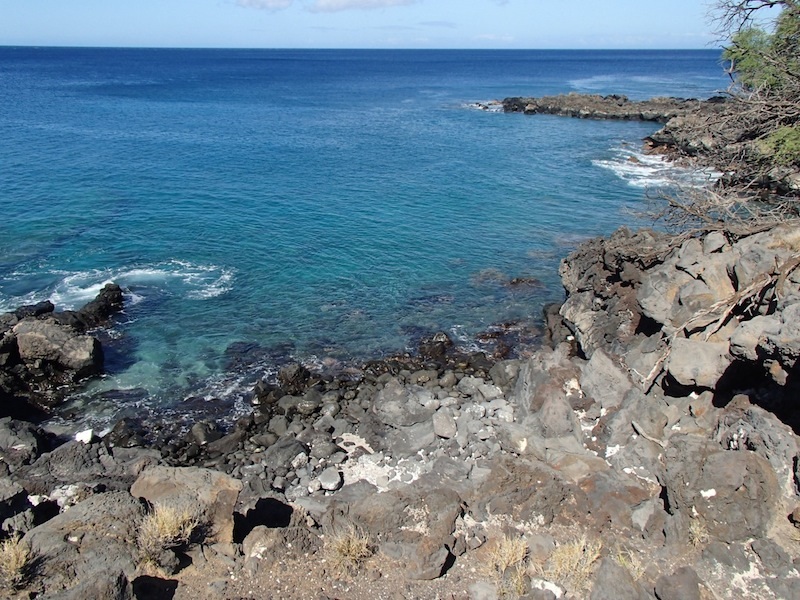
- Snorkeling: The rocky coast is a Marine Life Conservation District, meaning there are plenty of fish and sea life to observe.
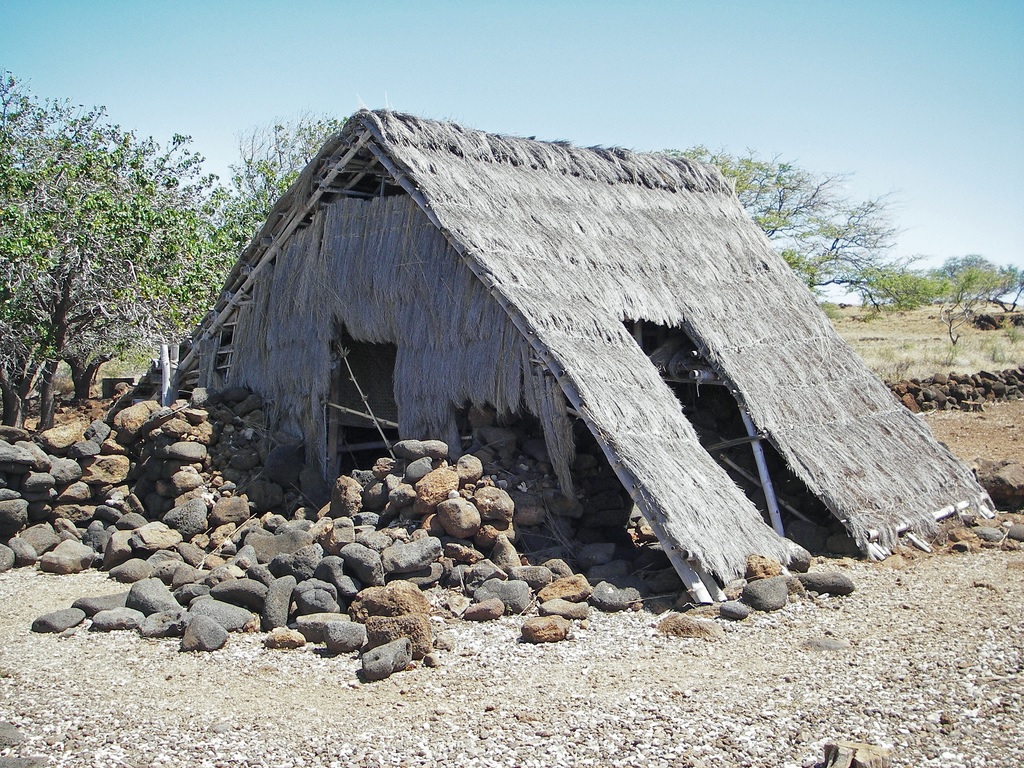
- Historical Structures: A number of historical structures are in the park, including a burial site, hālau wa‘a (boat shelter), hales (houses), a statue of Ku’ula (the god of fishing), a well, pa’akai (salt crystal) processing area, a heiau (religious site), and a rock shelter.
- Restrooms: Public restrooms are available near the parking lot.
The address for Lapakahi State Historical Park is HI-270, Waimea, HI 96743. It’s located about 40 miles (64.4 km) north of Kona Airport along Highway 270 (Akoni Pule Highway).
The History of Lapakahi State Historical Park
The Meaning of Lapakahi
Lapakahi (pronounced lah-pa-ka-hee) means “the single ridge” in Hawaiian and is so-named because of the large ridge structure that stretches from near the base of the extinct Kohala volcano down to the ocean’s shore. This connection meant that Lapakahi was a true ahupua’a (pronounced ahoo-poo-ah-ah), or a traditional division of land that stretched from mauka (mountain) to makai (ocean).
Big-Island-Blog Tip: You might hear the phrase “from mauka to makai” on the radio, which roughly translates to “from the mountain to the ocean.”
Lapakahi Village in History
The structural remains at Lapakahi State Historical Park are thought to date back to around 1300 CE. Despite their ancient age, they are some of the best-preserved ancient villages on the Big Island.
Lapakahi is often referred to as a fishing village, and it certainly was, but so were most villages on the islands given that the native Hawaiians got so much of their food from the sea. However, to call it only a fishing village would do this ancient village a great disservice.
In addition to fish, the people who lived at Lapakahi also used an elaborate system of agriculture to grow taro (called kalo in Hawaiian) to process into poi, a staple food source for the early island inhabitants. This ancient village was also home to elaborate gardens and was known as a place of healing and restoration. It’s been said that after the overthrow of the Hawaiian Kingdom in 1893, Queen Liliʻuokalani came to Lapakahi to try to mend her spirit.

Uncovering this Ancient Hawaiian Village
The ruins of Lapakahi State Historical Park are open for exploration, allowing visitors to get a glimpse into the lives of the ancient Hawaiians. There are two trails for visitors to explore: a 0.5-mile (0.8 km) primary trail and a 0.3-mile (0.48 km) secondary trail. The trail is known as the Lapakahi Village Interpretive Trail. You can explore the whole area without too much walking, although I would recommend wearing closed-toed shoes to avoid cutting your feet on any sharp bits of lava.
Going on the Self-Guided Tour
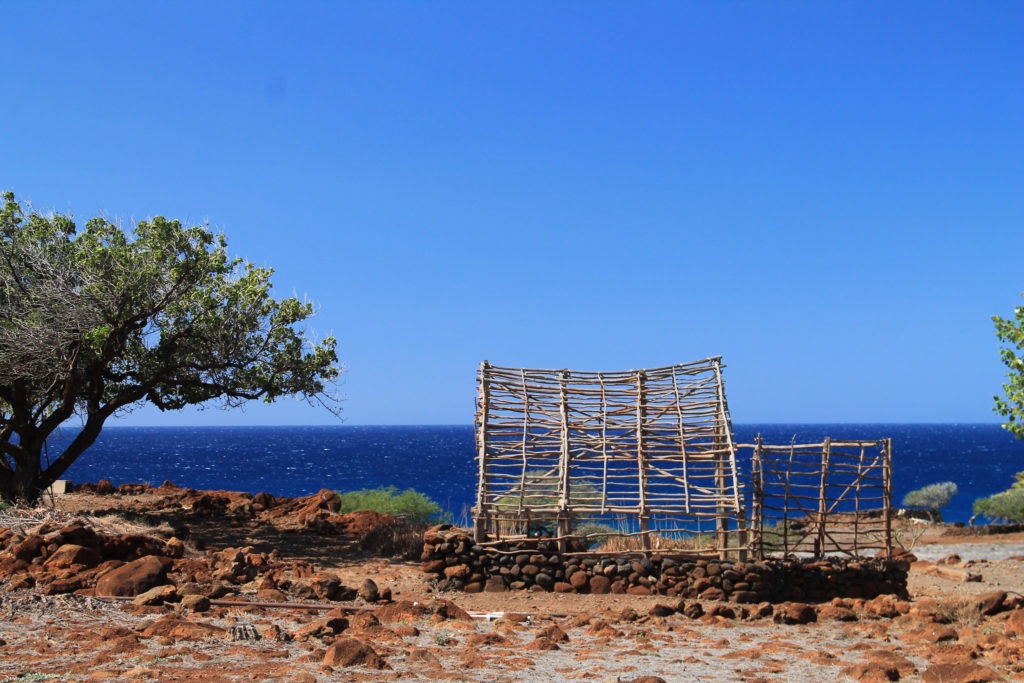
The best way to explore Lapakahi State Historical Park is to go on a self-guided tour. Visitors can take their time walking around this ancient Hawaiian village, discovering the history and culture of this unique area. The tour includes a stop at a restored hale (house) and a look at the lava stone walls that were once part of the original village. It’s a great way to spend some time outdoors while also learning about a culture that is deeply rooted in this area.
Visitors can also learn more about the history and culture of the ancient Hawaiian fishing village from park staff, who provide educational talks and demonstrations of these ancient games. Many members of the park staff are very friendly and happy to answer whatever questions you might have about the area!
Learning About the Traditional Hawaiian Games
At Lapakahi State Historical Park, visitors can learn about traditional Hawaiian games and activities. The park offers a self-guided tour that includes playing traditional Hawaiian games, including Ulu Maika (a bowling game using a round stone disk) and Pahu Iki (a game of tossing stones into a shallow pit).
Finding Lapakahi State Historical Park
Lapakahi State Historical Park is located in the North Kohala District on the Big Island of Hawaii. It can be found as visitors travel north from Kona Airport through Highway 270 (towards Hawi) or 12.4 miles (19.9 km) north of Kawaihae. I have a diagram of where to turn and what to look for further down in this article, but the easiest way to find it is to look for the wooden sign that reads “Lapakahi State Historical Park” and turn into the park there.
Snorkeling in the Crystal Clear Waters
Since 1979, the aquatic area around Lapakahi State Historical Park has been designated as a Marine Life Conservation District (MLCD), meaning that there is a rich diversity of marine life to enjoy. The park offers an abundance of marine life, with manta rays, colorful fish, and coral reefs visible just below the surface.
However, there isn’t a sandy beach like one might imagine of a beach in Hawaii, but rather stretches of rocky outcrops and coral rubble. If you’re willing to brave the roughness, a whole underwater world awaits! The water is usually calm and clear, although larger waves do come through in the winter months (November-April). Check the surf report if you’re not sure, and when in doubt, don’t go out!

Kenzie’s Insider Tips for Visiting Lapakahi State Park
If you’re going to visit Lapakahi State Historical Park, it might be worth making a half-day trip out of the effort and also visiting the quaint town of Hawi (pronounced ha-vee) or the paniolo town of Waimea (pronounced why-may-uh) as well. Most people spend around 45 minutes at the park, so it might be a good idea to plan to eat lunch or dinner at one of the nearby towns just to see more of the island.
- What to Bring: There isn’t much shade at the park, so be sure to wear sunscreen and bring hats and sunglasses. If you plan on going snorkeling, be sure to use reef-safe sunscreen!
- Free Admission: It’s free to visit Lapakahi State Historical Park, making it a great option for those looking to save a bit of cash.
- No Entry 30 Mins Prior to Closing: Keep in mind that the park will stop allowing visitors 30 minutes before closing, so plan accordingly. I’d recommend getting to the park no later than one hour prior to closing time (
- Park Brochure: If you’d like to see a map and layout of Lapakahi State Park, you can view the brochure here. There are 19 numbered stops along the roughly 1-mile (0.62 km) trail, including a burial site, hālau wa‘a (boat shelter), hales (houses), a statue of Ku’ula (the god of fishing), a well, pa’akai (salt crystal) processing area, a heiau (religious site), and a rock shelter. There really is a ton to see on the self-guided tour!

 Big Island Blog