Are you looking for a unique and interesting experience in Hawaii? Look no further than Pu’ukohola Heiau National Historic Site. Located on the Big Island, this historical site offers visitors a chance to learn about Hawaiian culture and experience the beauty of the island. In this blog post, we’ll take a look at why Pu’ukohola Heiau is worth visiting!

Pu’ukohola Heiau Quick Information
Are you planning a trip to Pu’ukohola Heiau? Here is a list of activities and amenities available:
- hiking (both paved and unpaved trails)
- wildlife viewing (humpback whales off the coast; Pu’ukohola means “hill of the whale” in Hawaiian)
- historical monuments
- restrooms
- water fountains
History of Pu’ukohola Heiau and the Hawaiian Kingdom
Pu’ukohola Heiau National Historic Site offers visitors an opportunity to explore the history of the Hawaiian Kingdom and the significance of this remarkable site. Built in the 18th century, Pu’ukohola Heiau is one of the last major sacred structures built in Hawai’i before outside influences changed traditional life. This heiau was constructed by Kamehameha I, who sought to unify the Hawaiian Islands into one kingdom.
Pu’ukohola Heiau is a well-preserved ancient Hawaiian temple and a fascinating historical remnant of the reign of Kamehameha the Great. Not only is it a great place to explore Hawaiian history, but it is also a great spot for outdoor activities such as hiking, birdwatching, and exploring offshore heiaus.
The Significance of Pu’ukohola Heiau for the Hawaiian Kingdom
Pu’ukohola Heiau National Historic Site is more than a reminder of the Hawaiian Kingdom’s past. It also serves as a symbol of the lasting peace and unification of the islands. The unification of the Hawaiian Islands into one kingdom began with King Kamehameha I constructing the Pu’ukoholā Heiau in 1790. This temple was the beginning of the story of Kamehameha the Great, and it became a place of religious and political importance for the Hawaiian people. Today, visitors can explore its preserved grounds along with its offshore heiau, which still provide insight into traditional Hawaiian life.
Exploring the Preservation of Pu’ukohola Heiau
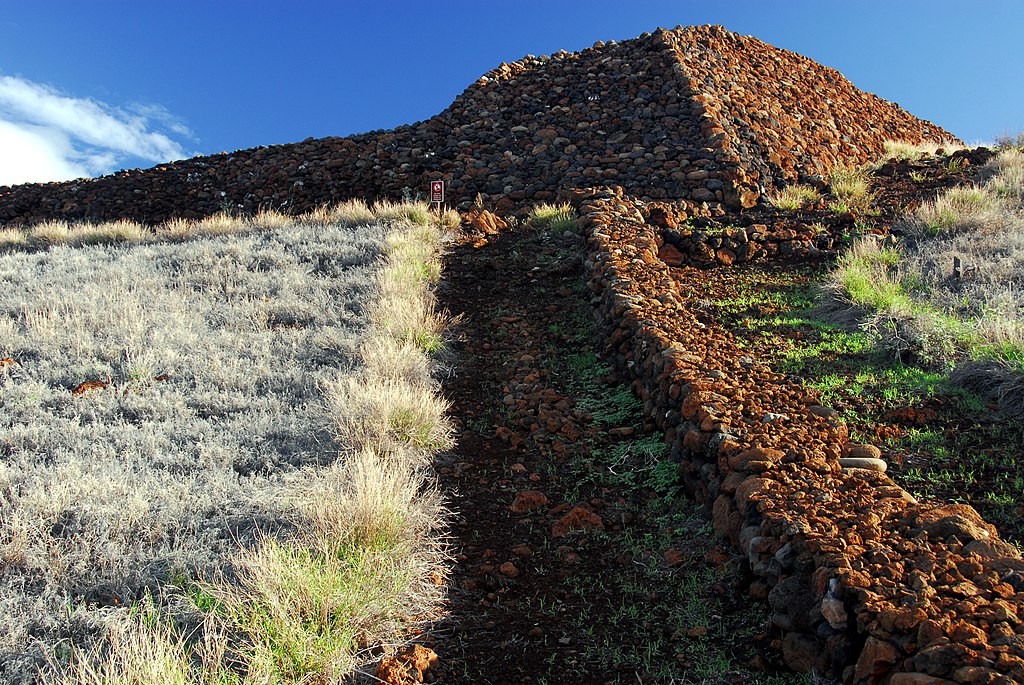
Pu’ukohola Heiau National Historic Site is a very special place for many reasons, not least for its well-preserved ruins. The 224 by 100-foot structure is surrounded by 16- to 20-foot walls and has been carefully preserved and restored. It was placed on the National Register of Historic Places in 1966 and is now part of the U.S. Department of the Interior, National Park Service. With such a rich history, preservation is paramount to preserving this sacred site for generations to come. Visitors can explore the many features of Pu’ukohola Heiau, from its impressive walls to its beautiful views of the nearby coast.
The Construction of Pu’ukohola Heiau by King Kamehameha I
The construction of Pu’ukohola Heiau was a significant event in the history of Hawaii. In 1790, King Kamehameha I was at a crossroads in his quest to rule all of the Hawaiian islands. Maui, Lāna’i and Moloka’i had come under his control but Kaua’i and Ni’ihau remained unconquered.
In order to fulfill the prophecy of unifying the islands, Kamehameha ordered the construction of Pu’ukohola Heiau. This formidable fortress-like temple was built overlooking the Kohala coast and is an impressive example of dry-stack masonry, a traditional Hawaiian method of construction without mortar. The completion of the temple was seen as a sign of Kamehameha’s success and it became a symbol of unification and lasting peace for Hawaiians today.
The Meaning of Pu’ukohola Heiau in Traditional Hawaiian Life
For Hawaiians today, Pu’ukohola Heiau National Historic Site continues to be a symbol of unification and lasting peace. It can be translated to mean the temple on the hill of the whale, and it is significant in traditional Hawaiian life for its role in the formation of the Hawaiian Kingdom. Built by King Kamehameha I in 1790-1791, the temple stands as a testament to the ambition and courage of one man who changed the course of history. It is a reminder of the longstanding traditions of Hawaiian life, from surfing to offering sacrifices to the gods. It is also a reminder that although times have changed, the spirit of aloha still lives on in this sacred place.
The Story of Kamehameha the Great Starts at Pu’ukohola Heiau
For many historians, the story of the ascendency of Kamehameha the Great begins at what is now Puʻukoholā Heiau National Historic Site. This massive stone temple was built by Kamehameha I following a prophecy of the kāhuna (priests) to help him unify the Hawaiian Islands. In 1790-91, Kamehameha set out to build a temple to honor his god, Lono, and fulfill the prophecy. The temple was built without the use of modern tools and is a testament to the strength and determination of the Hawaiian people.
By 1810, Kamehameha had fulfilled the prophecy and united all the Hawaiian Islands under one ruler. Today, Pu’ukohola Heiau National Historic Site preserves this important site and tells the story of Kamehameha’s rise to power. Visitors can explore the ruins of the temple, learn more about its history, and take part in traditional Hawaiian activities such as hiking and exploring offshore heiaus.
Visiting Pu’ukohola Heiau National Historic Site
Visiting Pu’ukohola Heiau National Historic Site is an experience like no other. Located on the lovely island of Hawaii, the park is open all year round and offers a range of activities for its visitors. A new visitor center features videos, fascinating exhibits and a small museum. Visitors can also explore the park’s mountain trails and scenic views, as well as the ruins of the last major Ancient Hawaiian temple and other historic sites. The site is one mile south of Kawaihae off HI 270 and provides an unforgettable experience for all who visit.
Hiking at Pu’ukohola Heiau National Historic Site
Hikers and nature lovers alike can explore the Pu’ukohola Heiau National Historic Site on the Big Island of Hawaii. This national park shares the history of the early stages of the Hawaiian Kingdom. Visitors enjoy mountain trails, island birdwatching, and the unique experience of standing on a beach and watching as sharks pass over a submerged temple. The hiking here is pleasant and easy, with several trails to choose from, and is an excellent way to explore this historically significant site.
Offshore Heiaus at Pu’ukohola Heiau National Historic Site
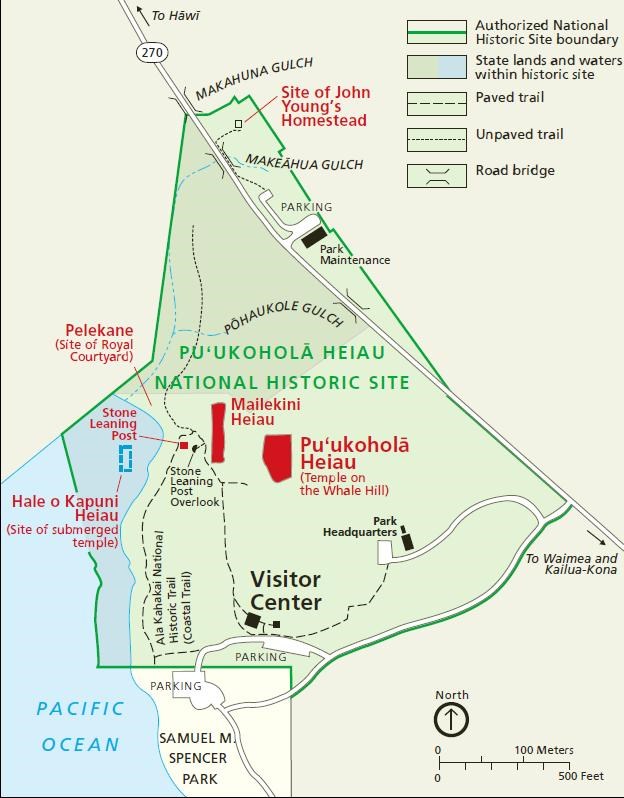
Pu’ukohola Heiau National Historic Site is home to several offshore heiaus, including Hale ō Kapuni and Puukohola Heiau. Hale ō Kapuni, an ancient temple completely submerged offshore in Pelekāne Bay, was the site of a project that documented and stabilized archeological sites and coordinated the transference of traditional knowledge and skills.
Puukohola Heiau is a well preserved ancient temple with three long, narrow terraced steps that cross the side facing the sea. It is one of several named heiaus consecrated by Lono as acknowledgment of the ascendency of Kamehameha the Great. The terraces of Pu’ukohola Heiau dominate the side of a hill above Kawaihae Village and it is considered to be the best preserved heiau in Hawaii. With its rich history and cultural significance, Pu’ukohola Heiau National Historic Site offers visitors a unique opportunity to explore the ancient Hawaiian kingdom and its culture.

Exploring Offshore Heiaus at Pu’ukohola Heiau National Historic Site
Just off the coast of the Pu’ukohola Heiau National Historic Site lies the ancient temple, Hale ō Kapuni. This submerged temple is a reminder of the limits of our island’s natural resources and is a great place to explore and reflect on the history of the Hawaiian Kingdom. The terraces of Hale ō Kapuni open up to the sea, making it possible for canoes to float nearby and provides a unique view from both in and out of the water. Furthermore, Pu’ukohola Heiau National Historic Site also preserves two offshore sites where heiaus (temples) might be located. Exploring these offshore sites can provide an insightful and informative experience into the significance of Hawaiian culture in traditional life.
 Big Island Blog