If you’re looking to immerse yourself in the lush natural beauty of Hawaii, look no further than the Hakalau Forest Unit. Located on the Big Island, this protected wilderness area spans more than 32,000 acres and is home to diverse ecosystems that harbor numerous rare and endangered species of flora and fauna.
From misty cloud forests to sun-soaked grasslands, the Hakalau Forest Unit offers something for every nature lover to explore. Whether you’re a hiker, birdwatcher, or simply seeking a tranquil escape from civilization, the Hakalau Forest Unit is sure to captivate your senses with its pristine landscapes and unique biodiversity. Join us as we delve deeper into this incredible natural wonderland!
Hakalau Forest Unit Currently Closed to Public
Self-guided tours in the Hakalau Forest are currently closed due to Rapid ʻŌhiʻa Death, a disease that is spreading on the island to mature ʻōhiʻa (ohia) trees. However, there are commercial companies that still provide guided tours that allow visitors see some of Hawaii’s most endangered native birds and wildlife.
Location on Windward Slope of Mauna Kea
The Hakalau Forest Unit is located on the windward slope of Mauna Kea, one of the five major volcanoes on the Big Island of Hawaii. This area is known for its diverse collection of native birds and plants, making it an essential location for conservation efforts.
The forest unit is composed of Hakalau and Kona units, both of which were purchased by the U.S Fish and Wildlife Service in 1997. There is a vegetation map available for natural resource management, along with mapping boundaries for the Hakalau Forest Unit. Accuracy assessment plots are also located in this area for monitoring the forest’s health. The high elevation and the fine remaining stands of the forest unit contribute to its importance for biodiversity and conservation efforts.
Supports Diversity of Native Birds and Plants
The Hakalau Forest Unit, located on the windward slope of Mauna Kea on the Big Island of Hawaii, is a protected area purchased by the U.S. Fish and Wildlife Service in 1997. One of its remarkable features is its support of a diversity of native birds and plants. Native birds play a vital role in the forests of Hawaii, as almost 60% of Hawaii’s flora is either bird-pollinated or produces seeds that are dispersed by birds. The forest birds in Hakalau are responding positively to one of the largest, ongoing reforestation projects in the area.
The Hakalau Forest Unit, together with Kona Forest Unit, supports a wide range of native plant and bird species, including rare habitats found in lava tubes and lava tube skylights. This region’s importance to biodiversity and conservation efforts cannot be overemphasized.
Protected Area on Big Island of Hawaii
The Hakalau Forest National Wildlife Refuge is a protected area on the Big Island of Hawaiʻi, offering sanctuary to a diverse range of native birds and plants. This refuge is composed of two units: Hakalau and Kona Forest Units. The U.S. Fish and Wildlife Service purchased the area in 1997 and actively manages it to promote biodiversity and conservation efforts. The location of the refuge on the windward slope of Mauna Kea adds to its significance as it upholds the natural beauty of the island of Hawaiʻi. Its high elevation and fine remaining stands make it an important site for natural resources management, and its mapping boundaries aid in accurate assessments of its features. As a protected area, its significance in preserving the flora and fauna of Hawaiʻi cannot be overstated, and the ongoing restoration efforts in adjacent areas only serve to further enhance its importance.
Composed of Hakalau and Kona Forest Units
The Hakalau Forest Unit is part of the larger Big Island National Wildlife Refuge Complex, which also includes the Kona Forest Unit. While the Hakalau Forest Unit is located on the windward slope of Mauna Kea, the Kona Forest Unit is located on the drier western side of the island. Both units are vital to the protection and preservation of Hawaii’s native bird and plant species. The U.S. Fish and Wildlife Service acquired the Hakalau and Kona Forest Units in 1997, creating a protected area totaling over 38,000 acres. The complex management plan includes vegetation mapping and accuracy assessments to ensure the continued success of conservation efforts. Together, these forest units represent an important step towards preserving Hawaii’s unique biodiversity.
Purchased by U.S. Fish and Wildlife Service in 1997
In 1997, the U.S. Fish and Wildlife Service acquired an additional 5,300 acres of land to establish the Kona Forest Unit within the Hakalau Forest National Wildlife Refuge. This was a significant step in protecting almost 33,000 acres of native forest, which was the original purpose of establishing the refuge in 1985. The area was purchased or donated to the FWS over time, with the active involvement and support of The Nature Conservancy. The acquisition of the Kona Forest Unit was vital in expanding the refuge’s protected land and preserving the diverse native birds and plants living on the slopes of Mauna Kea. Conservation efforts in the Hakalau Forest Unit continue to be crucial for the continued survival of these species and protecting the natural resources of the region.
Vegetation Map for Natural Resources Management
The management of natural resources within the Hakalau Forest Unit is essential for the protection of endangered forest species, as well as the preservation of the diverse native birds and plants that call this area home. To aid in this effort, a valuable tool has been produced in the form of an updated vegetation map. This map provides a vital habitat base for the management of natural resources within the Hakalau Forest Unit, allowing for more targeted and effective conservation efforts.
By utilizing the information contained within this map, visitors can focus their attention on the unique wildlife and natural resources that make this area so special. Thanks to this essential mapping tool, the continued conservation of the Hakalau Forest Unit is in capable hands.
Mapping Boundary for Hakalau Forest Unit
The Hakalau Forest Unit encompasses 32,830 acres on the windward slopes of Mauna Kea and supports a diverse range of native birds and plants. The unit was purchased by the U.S. Fish and Wildlife Service in 1997 and is now a protected area on the Big Island of Hawaii. To effectively manage natural resources within the unit, a vegetation map was produced with the mapping boundary clearly defined. This mapping boundary allows accurate identification of the 31 distinct plant communities, with 14 of these units found within the HFU.
Additionally, the location and boundaries for accuracy assessment plots were established to ensure accurate management practices. The high elevation and fine remaining stands of forests make the Hakalau Forest Unit a vital area for biodiversity and conservation efforts.
Location and Boundaries for Accuracy Assessment Plots
To assess the accuracy of the vegetation map of Hakalau Forest Unit, 100 randomly located plots were used, and their locations and boundaries were identified. These plots were located on the leeward slope of Mauna Loa, within the Hakalau and Kona Forest Units, which are protected areas on the Big Island of Hawaii. The accuracy assessment plots were placed at high elevations, within remaining stands of fine vegetation that supports diverse native bird and plant species.
The importance of these accuracy assessment plots lies in their contribution to the natural resources management of the area and the conservation efforts of the U.S. Fish and Wildlife Service, which purchased the land in 1997. The mapping boundary for Hakalau Forest Unit has also been identified, allowing for more accurate representation and evaluation of the unit.
High Elevation and Fine Remaining Stands
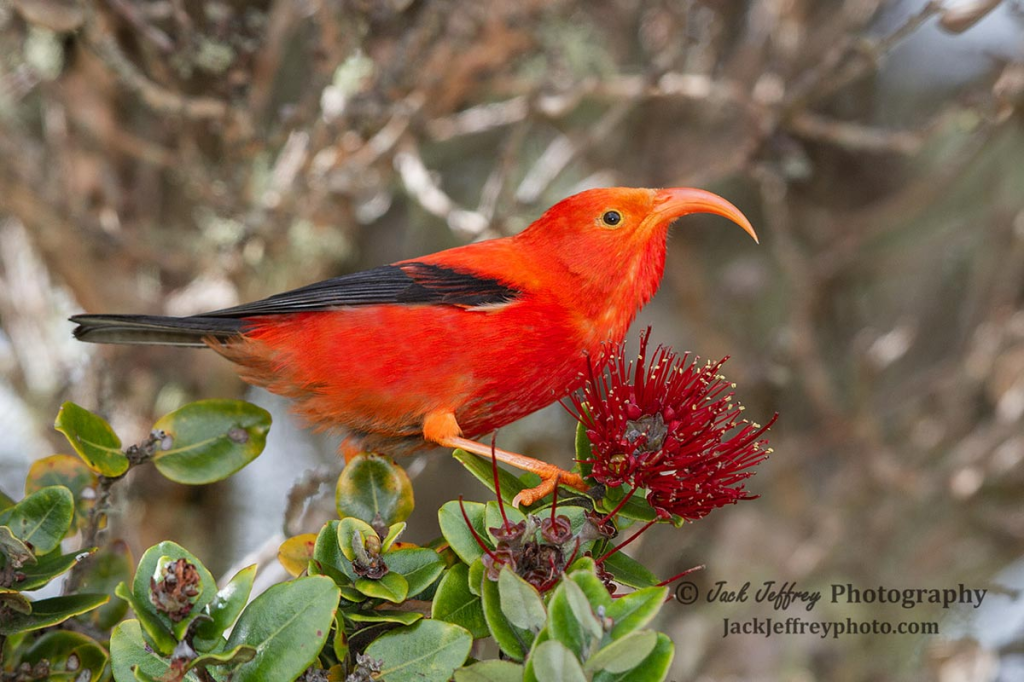
The Hakalau Forest Unit located on the windward slope of Mauna Kea has some of the highest elevations of any forest in Hawaii. It’s also home to some of the finest remaining stands of native montane rainforest in the state. The refuge was established in 1985 to protect and manage endangered forest birds and their habitat, including the Hawaiʻi ʻākepa, ʻakiapōlāʻau, and ʻiʻiwi. Its high elevation and intact forest make it an important area for biodiversity and conservation efforts.
The U.S. Fish and Wildlife Service purchased the Hakalau Forest Unit in 1997 to ensure its protection for future generations. A vegetation map for natural resource management and mapping boundaries for accuracy assessment plots have been created to aid in the preservation of this unique area.
Importance for Biodiversity and Conservation Efforts
The Hakalau Forest Unit holds immense importance for biodiversity and conservation efforts. It provides essential habitat for several endangered and threatened native species, including four species of Hawaiian forest birds and one waterfowl species. The unit’s protected status allows for an opportunity to reforest and restore the natural habitats of these species, along with its diverse range of native plants.
The unit’s location on the windward slope of Mauna Kea ensures a unique set of ecological conditions that contribute to its high endemism rates. The unit’s importance is further exemplified by its inclusion in Hawaii Volcanoes National Park, a UNESCO World Heritage Site. The efforts of the U.S. Fish and Wildlife Service and local conservation groups have made the Hakalau Forest Unit a crucial hub for protecting Hawaii’s unique flora and fauna.
 Big Island Blog