Nestled on the eastern coast of Hawaii’s largest island is the tranquil and picturesque town of Kapoho. This hidden gem boasts some of the most stunning natural treasures on the island, from pristine beaches and turquoise waters, to majestic waterfalls and lush vegetation. Whether you’re a nature lover seeking adventure or simply looking to unwind in a serene tropical paradise, Kapoho has something to offer everyone. With so much beauty and serenity waiting to be discovered, it’s no wonder that this town is fast becoming a popular vacation destination for visitors from all corners of the globe! So come along, let’s explore the wonders of Kapoho and discover why it’s such a special place in Hawaii.
Kapoho Quick Information
Are you planning a trip to Kapoho? The following activities and attractions are available:
- black sand beaches (snorkeling, swimming)
- wildlife viewing (Kapoho Tide Pools)
Introduction to Kapoho on the Big Island
Kapoho is a small community located on the eastern tip of the Big Island of Hawaii. Once an agricultural hub, Kapoho is now known for its beautiful Kapoho Tide Pools, which offer a unique snorkeling and swimming experience. Unfortunately, much of the area was destroyed by the 1960 eruption of Kilauea volcano, including the beloved Kapoho Bay.
Despite this, the natural beauty of Kapoho persists through its greenery and natural landscapes, including the newly formed Kapoho Black Sand Beach. Visitors can take advantage of the various trail heads and ranger stations throughout the area, and pay a visit to the sole survivor of the 1960 eruption – the Kapoho Lighthouse. As impressions of Kapoho are formed, it is important to remember its history and appreciate its present beauty.
History of Kapoho as an Agricultural Community
Kapoho on the Big Island of Hawaii was once a thriving agricultural community, with farms and ranches producing a variety of crops and livestock. Centuries before the arrival of Europeans, the native Hawaiians had developed sophisticated methods of farming, growing taro, sweet potatoes, and other staples in terraced fields that utilized every inch of available land. In the late 1800s, American plantation owners established sugar cane and pineapple plantations on the island, which brought in thousands of immigrant workers from Asia and Europe. Kapoho was one of many small towns that grew up around these plantations, providing stores, schools, and other services for the workers and their families.
In the early 20th century, Kapoho also became a popular destination for tourists, who came to enjoy the hot springs, tide pools, and other natural attractions in the area. Despite its years of prosperity, however, Kapoho ultimately fell victim to the destructive force of Kilauea volcano, which erupted in 1960 and buried much of the town under lava. Today, the area has been rebuilt as a community of private homes and vacation rentals, but its rich history as an agricultural center lives on.
Kapoho Tide Pools: A Unique Snorkeling and Swimming Experience
Kapoho Tide Pools are the perfect spot to experience the wonders of snorkeling and swimming on the Big Island. Despite being buried under several feet of new lava in 2018, these volcanic-heated pools were once a fantastic snorkel area known for their depth of up to 8 feet and plate type corals. Visitors can still admire the beauty of the Kapoho Tide Pools through old photographs and reminisce about the good times it provided as a unique outdoor bathing experience. Although the natural calamity changed the landscape of Kapoho, it still remains a gem for swimming and relaxation, which visitors are sure to enjoy.
The Destruction of Kapoho by Kilauea Eruption in 1960
In 1960, Kapoho faced a devastating event when the Kilauea volcano erupted, causing extensive destruction to the agricultural community. The eruption resulted in multiple lava flows that destroyed many homes and farms in the Kapoho area. The once-thriving Kapoho town was rendered uninhabitable, forcing many residents to move away.
Despite the loss, the Kapoho community remained resilient, and over time, the surrounding areas began to recover. Today, visitors to Kapoho can learn about the history and impact of the devastating 1960 eruption while enjoying the natural beauty and unique attractions of this beloved area on the Big Island.
Kapoho Bay: A Gem for Swimming and Relaxation
Kapoho Bay has long been a favorite spot for locals and tourists alike, known for its calm waters and abundant tide pools. Many have enjoyed playing, swimming and lounging in the sun on the sandy shores of Kapoho Bay. Parents have praised the beach as perfect for young children to swim and play. Though the area can be rocky, reef shoes or other protective footwear can help visitors enjoy the water without discomfort.
Beyond swimming and sunbathing, Kapoho Bay offers a relaxing experience surrounded by the greenery and natural beauty of the Big Island. The bay’s popularity as a destination for swimming and relaxation has only increased over time, and it remains a place where visitors can take in the beauty of Hawaii.
The Beauty of Kapoho: Greenery and Natural Landscapes
Kapoho on the Big Island is a beautiful and idyllic place, known for its lush greenery and picturesque landscapes. As an agricultural community, Kapoho was filled with crops and plantations, making it a haven for nature lovers. Visitors come to experience the unique snorkeling and swimming opportunities in the Kapoho Tide Pools and enjoy the gem that is Kapoho Bay for swimming and relaxation.
Kapoho’s natural beauty is a sight to behold, with its black sand beach attracting tourists from far and wide. Trailheads, kiosks, visitor centers, and ranger stations provide ample opportunities for exploration and adventure. The Lighthouse of Kapoho is the only structure that survived the 1960 eruption of Kilauea, standing as a testament to the resilience of this idyllic community. Despite its past, Kapoho remains a stunning and enchanting destination for visitors to the Big Island.
Kapoho Black Sand Beach: A New Attraction on the Big Island
Kapoho Black Sand Beach is becoming a must-see attraction on the Big Island, especially for those who love exploring off the beaten path. This newly formed black sand beach is located near Cape Kumukahi and is one of the newest black sand beaches on the island. It’s a raw and rugged marine preserve located in a private residential area, so visitors should keep in mind that this is not a State park or a Disneyland attraction. Nonetheless, the solitude and panoramic views are surely worth the effort to get there. Kapoho Black Sand Beach is one of the many stunning natural attractions that Kapoho has to offer. From the Kapoho Tide Pools to the greenery and natural landscapes, there is much to explore and appreciate in this once-agricultural community now turned a tourist hot-spot. Visitors can also take a moment to appreciate the history and beauty of Kapoho by visiting the lighthouse and other places of interest.
8Places to Visit in Kapoho: Trail Heads, Kiosks, Visitor Centers, and Ranger Stations
In order to fully experience the beauty of Kapoho, visitors should make sure to stop by the various trail heads, kiosks, visitor centers, and ranger stations located throughout the area. The Kīlauea Visitor Center in particular is a great starting point for those entering the park, with helpful rangers and volunteers on duty daily. Hikers and nature enthusiasts will enjoy exploring the various trails and natural landscapes, from Kīholo Bay to the Kapoho Tide Pools.
The Sole Survivor: The Lighthouse of Kapoho
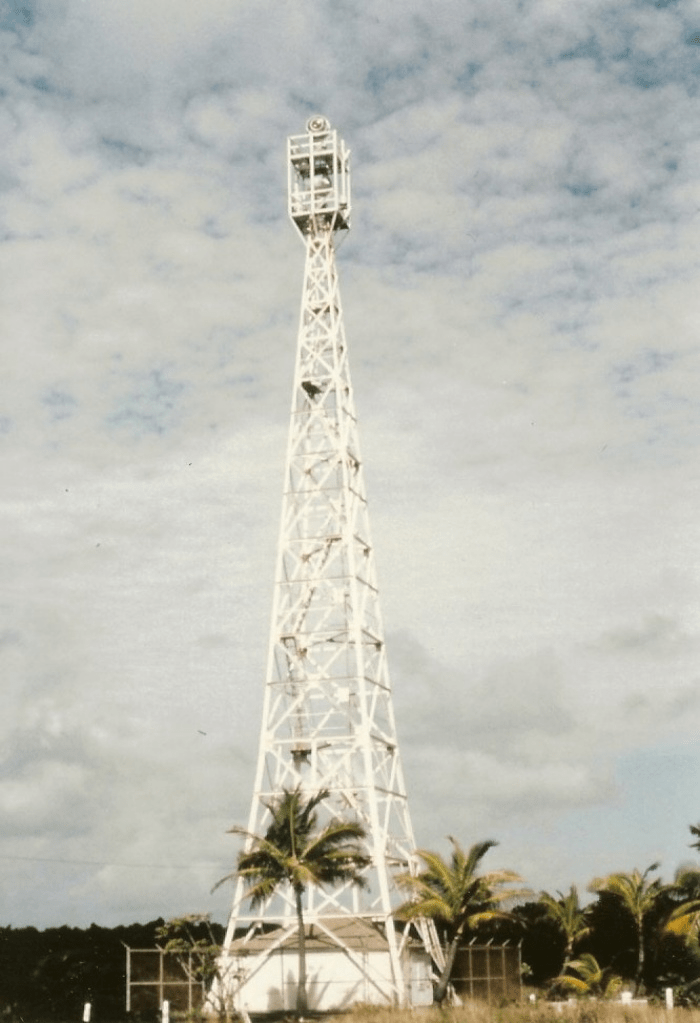
The Lighthouse of Kapoho stands as a stark reminder of the destructive power of nature. Built in 1934, this beacon was the only structure to survive the devastating lava flow of Kilauea’s eruption in 1960. The steel tower stands tall at 125 feet, offering a somber reflection of the fickle nature of Pele, the Hawaiian goddess of fire and volcanoes. Some say that she spared the lighthouse because the light’s keeper offered her a meal, while others believe it was simply a quirk of fate.
Yet, this iconic structure remains a testament to the resilience of the human spirit and the beauty of Kapoho. As visitors explore the area’s natural landscapes, black sand beaches, and unique tide pools, they cannot help but be inspired by the Lighthouse of Kapoho’s survival.
Conclusion: Remembering Kapoho’s History and Beauty
In conclusion, Kapoho on the Big Island was once a thriving agricultural community with schools, homes and churches, that also offered unique snorkeling and swimming experiences at its tide pools and bay. Unfortunately, Kapoho’s history was marred by the devastating Kilauea eruption in 1960, where the town was largely destroyed by lava by early June.
Despite this, Kapoho’s natural beauty still remains, and visitors can still appreciate the lush greenery and natural landscapes, as well as the newly formed black sand beach. While Kapoho may no longer be a thriving town, visitors can still honor and remember its history and beauty through visits to its trail heads, kiosks, visitor centers, and ranger stations, and by paying respects to the sole survivor – the lighthouse of Kapoho.
 Big Island Blog