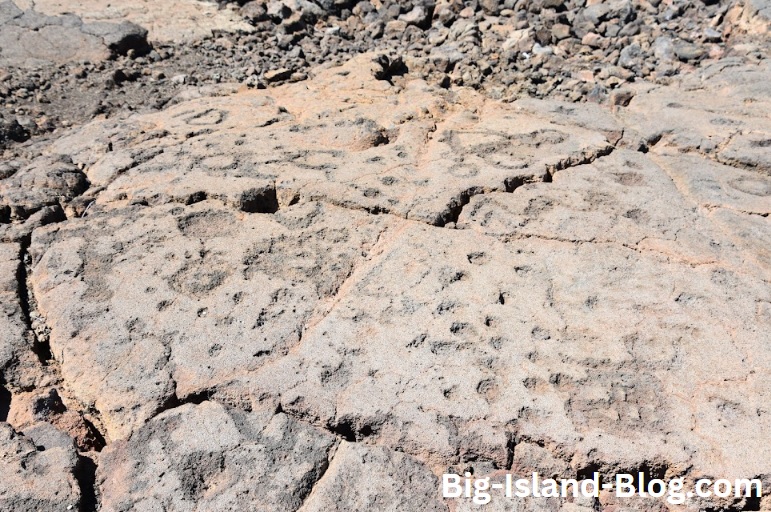
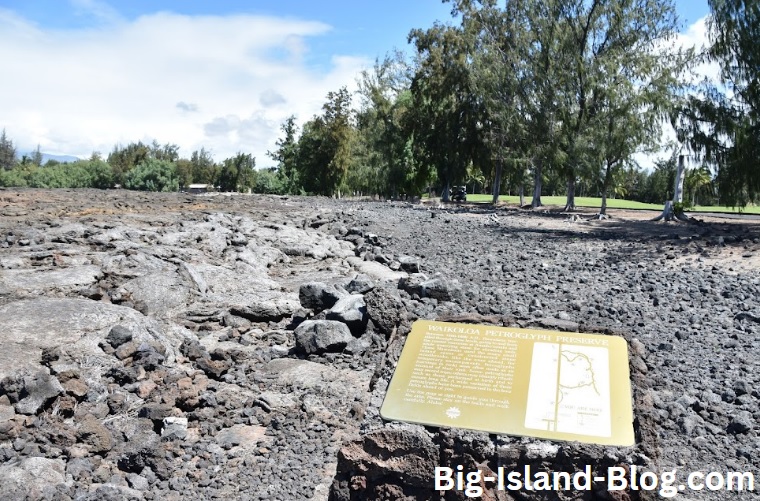
Get ready for a journey through the history of Hawaii! Nestled in the heart of Waikoloa, the Waikoloa Petroglyph Reserve (sometimes called the Waikoloa Petroglyph Preserve) is a must-see for anyone fascinated by ancient art and culture. Follow our guide as we explore the mysteries of the petroglyphs and learn about the rich traditions of the Hawaiian people.
Quick Navigation
- Waikoloa Petroglyph Reserve Quick Information
- What are Petroglyphs?
- What Do the Petroglyphs Mean?
- A Rough and Scenic Trail
- Kenzie’s Insider Tips for Visiting the Waikoloa Petroglyph Reserve
- Getting to the Waikoloa Petroglyph Reserve
Waikoloa Petroglyph Reserve Quick Information
Are you planning a trip to see the petroglyphs at the Waikoloa Petroglyph Reserve? Here’s a list of activities, amenities, and highlights:
- Hiking: 0.9-mile (1.44 km) roundtrip, very rough lava trail
- History & Culture: Hawaiian history (petroglyphs)
- Nearby Attractions: shops, food, restrooms, and resorts are conveniently located nearby.
What are Petroglyphs?
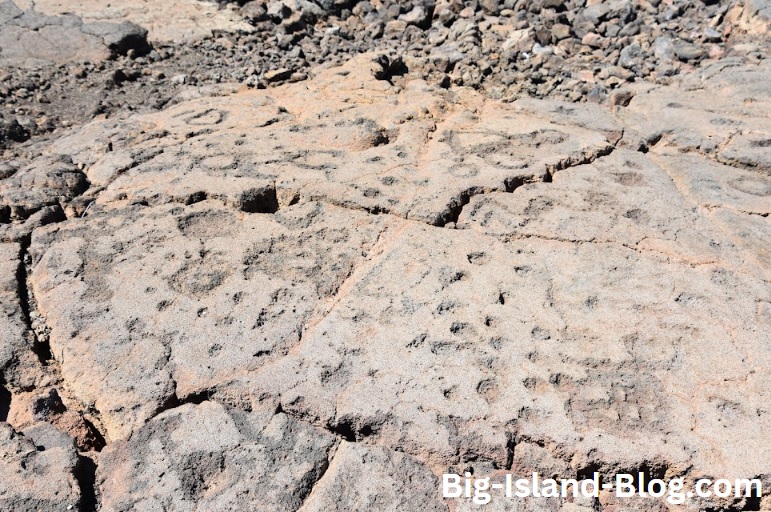
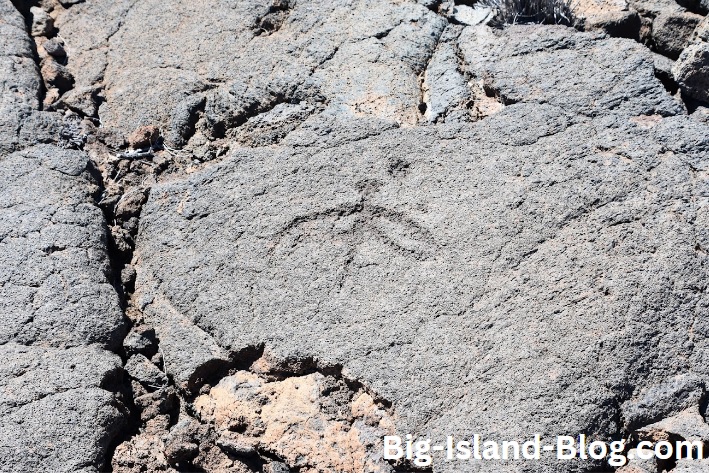
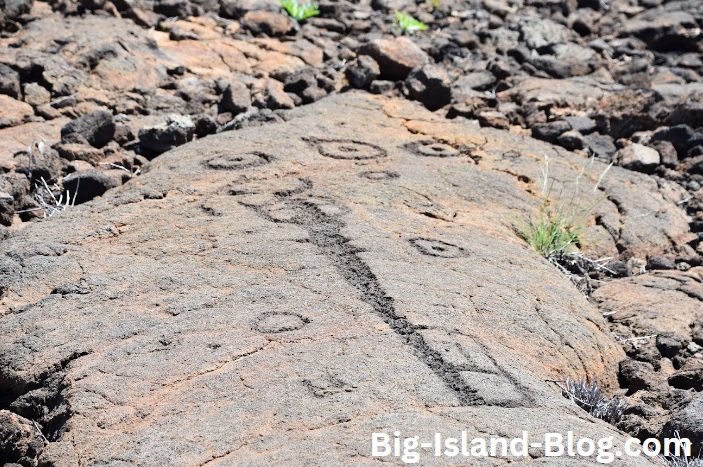
Before the development of written language, humans preserved their history, traditions, and beliefs in various ways, such as oral storytelling, painted images called pictographs, and carved rock images known as petroglyphs. Ki‘i pohaku (petroglyphs) were created by using a dense stone tool to directly carve the image or by striking a stone tool with a hammerstone.
These delicate carvings offer a window into the past, revealing aspects of a society’s way of life, including their culture, beliefs, religion, and traditions. As a lasting record, petroglyphs are an invaluable resource for historians and archaeologists seeking to understand ancient cultures.
What Do the Petroglyphs Mean?
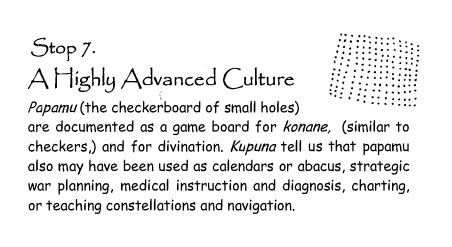
Interpreting petroglyphs can be challenging, even under the best of circumstances. While their exact meanings may remain elusive, interpretations have been attempted by elders (kupuna), researchers, and oral histories. These carvings could represent symbols, metaphors, depictions of daily life or significant events, and may even have been used in rituals or for medicinal purposes.
The National Park Service has described some of the petroglyphs in the Waikoloa Petroglyph Reserve, but the meanings of others remain elusive.
A Rough and Scenic Trail
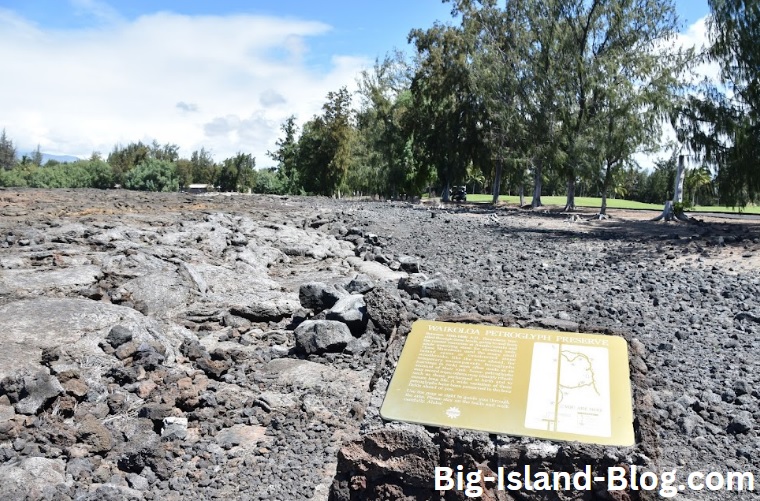
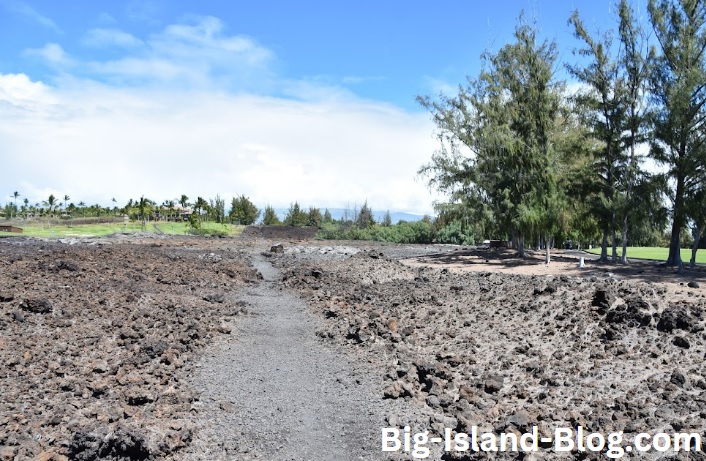
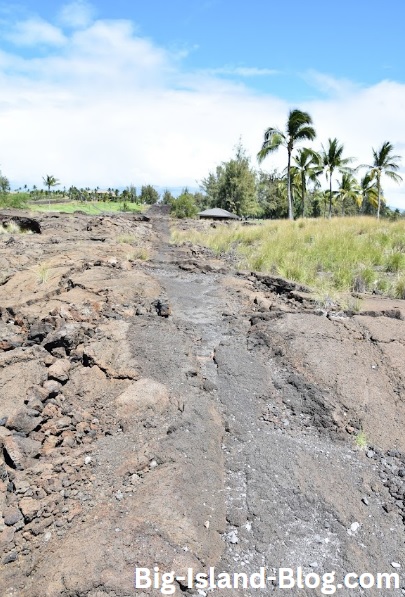
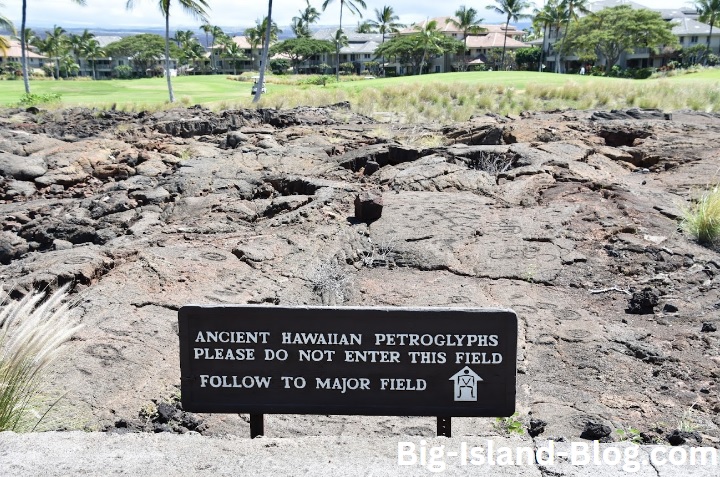
The Waikoloa Petroglyph Reserve boasts a well-marked trail through an extensive petroglyph field for visitors to enjoy. This 0.9-mile (1.44 km) out-and-back route takes around 20 minutes to complete and is considered a difficult walk/hike because of the rough lava. The trail passes through a flattened dirt trail and leads visitors to the best-preserved site to experience petroglyphs in the area. Guests are even surprised to find this special location nestled near a resort golf course.
As visitors stroll along the path, they’ll see ki’i pōhaku or rock carvings of people and animals that date back centuries. Preservation efforts are ongoing to ensure that these unique pieces of history remain intact for generations to come. All in all, this is a lovely walk in a beautiful Hawaiian setting that is well worth a visit.
Kenzie’s Insider Tips for Visiting the Waikoloa Petroglyph Reserve
We visited the Waikoloa Petroglyph Reserve on a hot March day. Be sure to bring your sunscreen and sunglasses because the heat is unrelenting, especially when the sun is shining! There are many entrances to the trail and you don’t have to walk the whole thing to see the petroglyphs.
There are hundreds of petroglyphs to view along the trail, so if you’re interested in Hawaiian history, this quick activity is worth a trip! Park near the King’s Shops in Waikoloa and follow the signs toward the Waikoloa Petroglyph Reserve. I have more detailed parking instructions below for those of you who like to plan ahead!
- Activity Time: You can walk the whole 0.9-mile (1.44 km) trail in about 20-30 minutes, but you could take a shorter amount of time, too. It’s a perfect quick activity for after you eat lunch at the King’s or Queen’s shops.
- What to Bring: Bring closed-toed shoes because while some of the trail is paved, much of it is just rough lava which could cut your feet if you only wear sandals. Also, be sure to bring sunscreen and water as it gets hot out on the lava.
- Can I Bring Young Children? I think it would be alright to bring children, even young children, to see the petroglyphs, although they might find the activity boring. Additionally, ensure they’re wearing close-toed shoes as the trail is quite rough and I’ve seen several children scrape feet, knees, and elbows on the lava. Be sure they stay off the petroglyphs!
Photo Gallery:


Getting to the Waikoloa Petroglyph Reserve
If you want to see the Waikoloa Petroglyph Reserve, you’re in luck because it’s not hard to get to. Waikoloa is located about 25 miles (40 km) north of Kailua-Kona, or a 20-minute drive north from the Kona Airport (KOA).
From Kona Airport:
- Travel north on Queen Ka’ahumanu Hwy towards Waikoloa for about 25 miles (40 km). It’s roughly a 20-minute drive from the airport.
- Turn left on Waikoloa Beach Drive.
- Look for Pohakulana Place. On the right side is a parking lot for the King’s Shops which usually has plenty of available spots. If parking is full there, you can also park at the Queen’s Shops.
- Walk northeast from the parking lot to reach the Waikoloa Petroglyph Reserve.
Once parked, look for signs directing you toward the Kings Highway Foot Trail or the Waikoloa Petroglyph Reserve (the trail goes through the reserve). The reserve is located right near the golf course, so if you see the green, you’re close! See my diagram below for more detailed information.

 Big Island Blog
Leave a comment